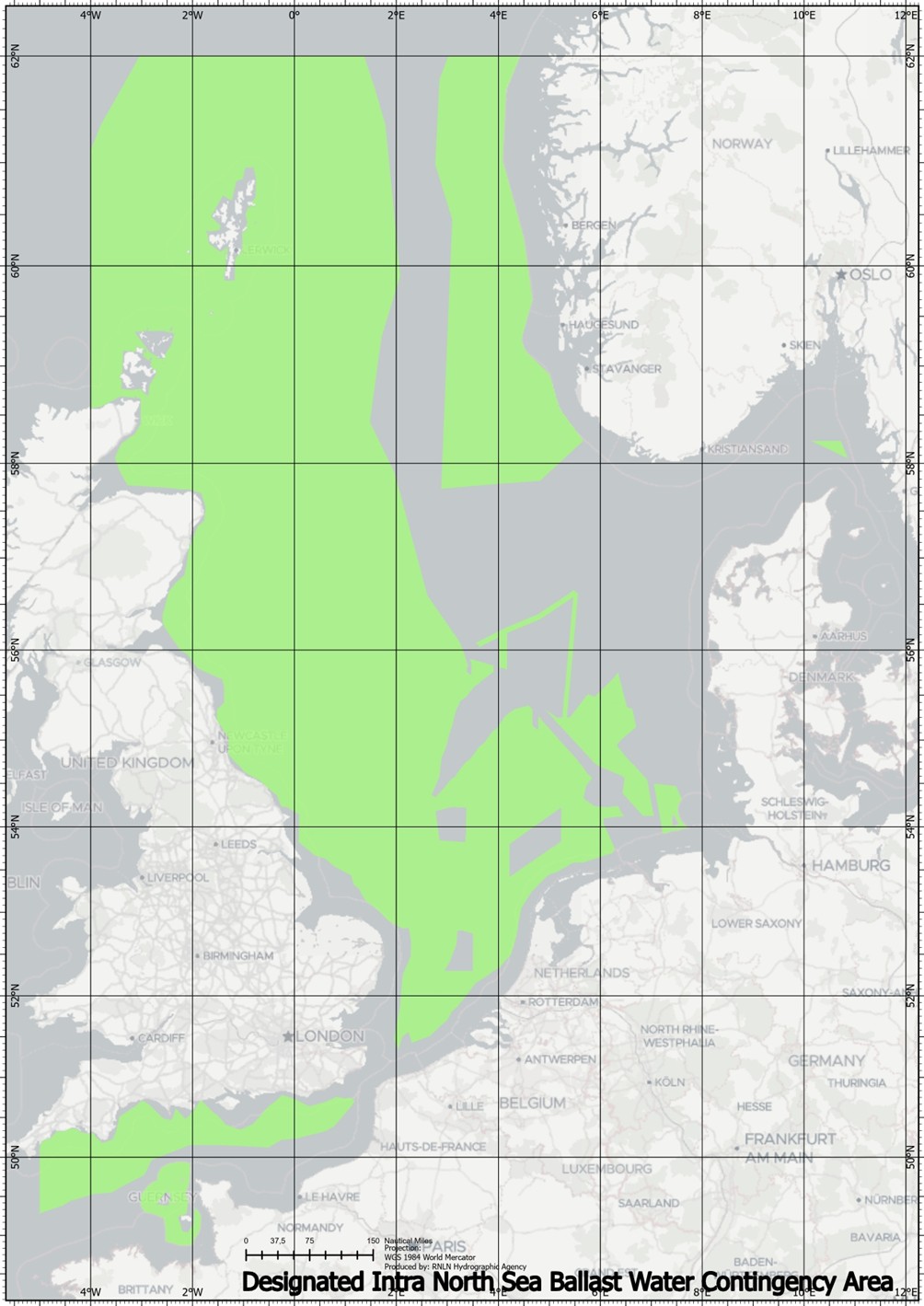
As of 27 June 2025, the North Sea States have formally established the Intra North Sea Ballast Water Contingency Area, allowing eligible vessels to conduct Ballast Water Exchange plus Treatment (BWE+BWT) under defined emergency conditions. This initiative, adopted through the OSPAR framework and aligned with IMO Circular BWM.2/Circ.62 and MEPC.387(81), provides a structured compliance pathwayContinue reading "Intra North Sea Ballast Water Contingency Area Guide"
Scrubber Washwater Testing What is required, what is not
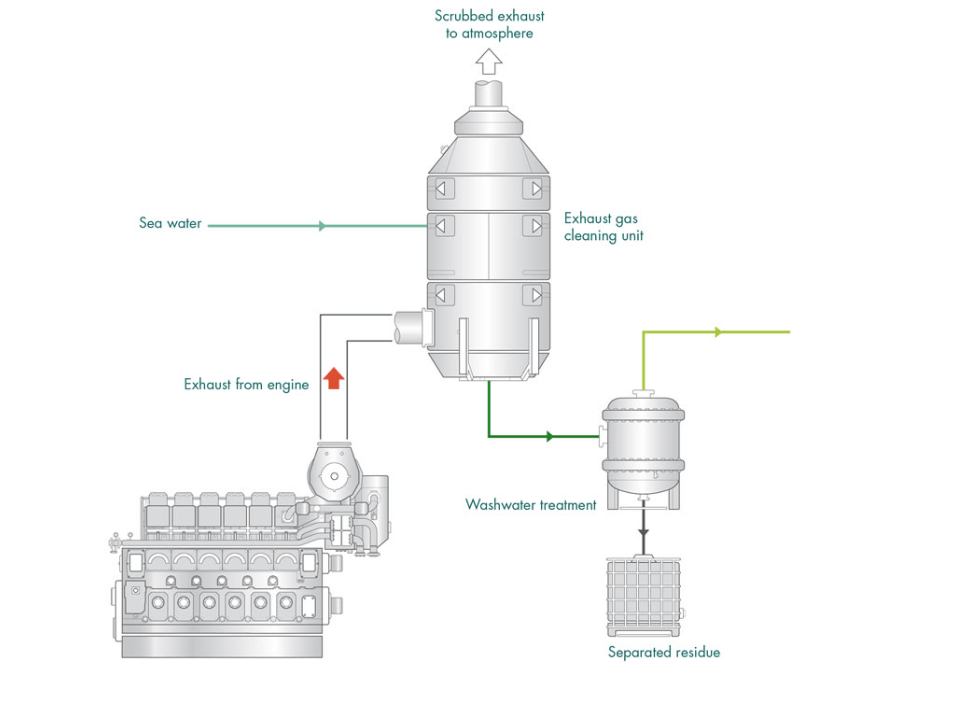
Ships equipped with Exhaust Gas Cleaning Systems (scrubbers) produce washwater as a byproduct of cleaning exhaust gases. This washwater can contain various pollutants (acids, polycyclic aromatic hydrocarbons (PAHs), suspended particles, nitrates, trace heavy metals, etc.) and must meet certain criteria before discharge. International regulations and guidelines define what parameters need to be monitored or testedContinue reading "Scrubber Washwater Testing What is required, what is not"
California’s Emergency Ballast Water Management Rule in Effect
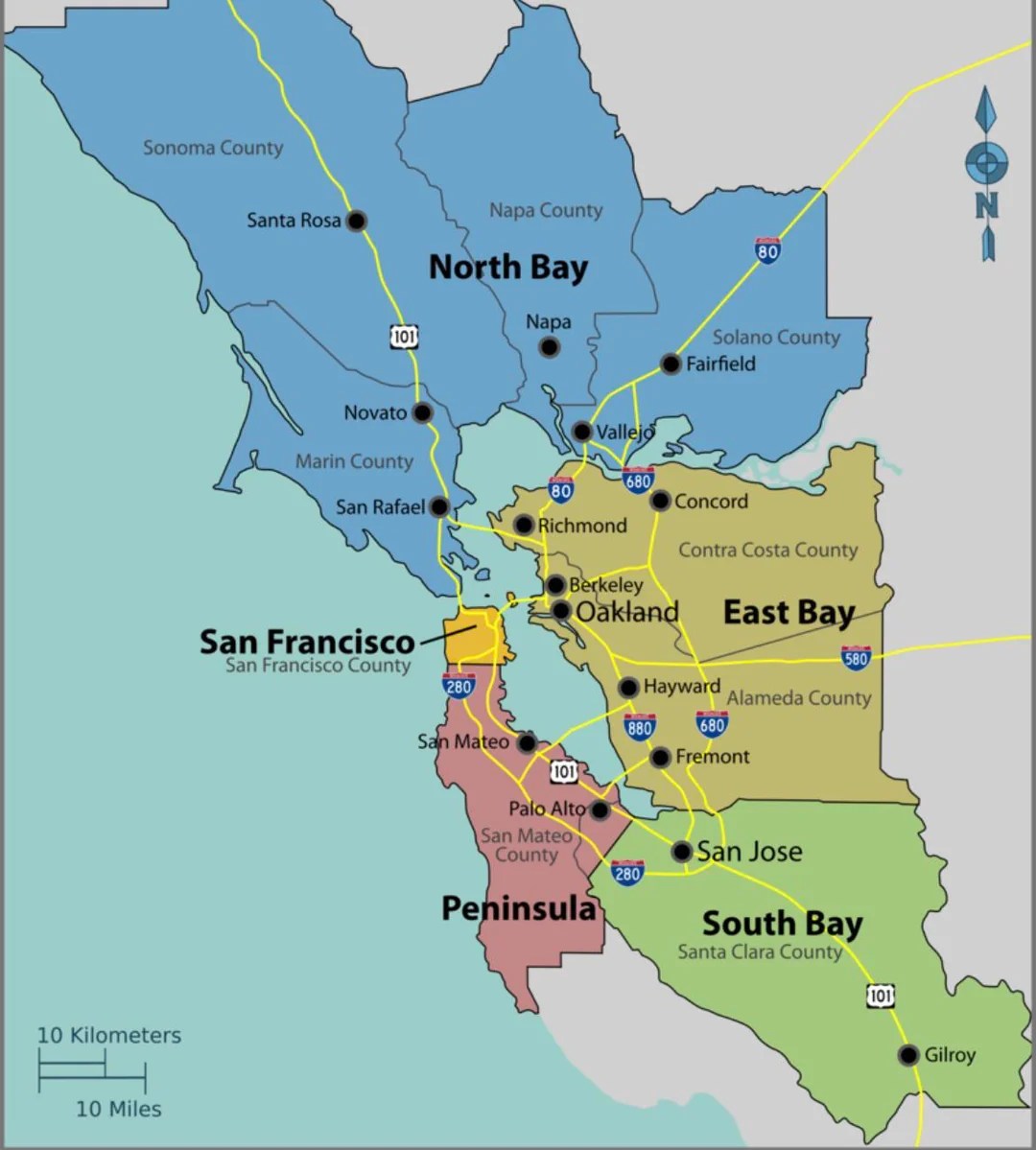
The California State Lands Commission has implemented an emergency ballast water management rule. The emergency rule came into effect on June 18, 2025. Under this rule, vessels with ballast water sourced from waters with a measured salinity of less than 18 parts per thousand (ppt) — equivalent to 18 grams of salt per kilogram ofContinue reading "California’s Emergency Ballast Water Management Rule in Effect"
Understanding the Vessel Incidental Discharge Act
In a significant development for maritime environmental policy, the Vessel Incidental Discharge Act (VIDA) was signed into law on December 4, 2018, as part of the Frank LoBiondo Coast Guard Authorization Act of 2018. This legislation marks a major restructuring in how incidental discharges from commercial vessels are regulated in U.S. waters, including the contiguousContinue reading "Understanding the Vessel Incidental Discharge Act"
BWMS Recordkeeping – California Ports
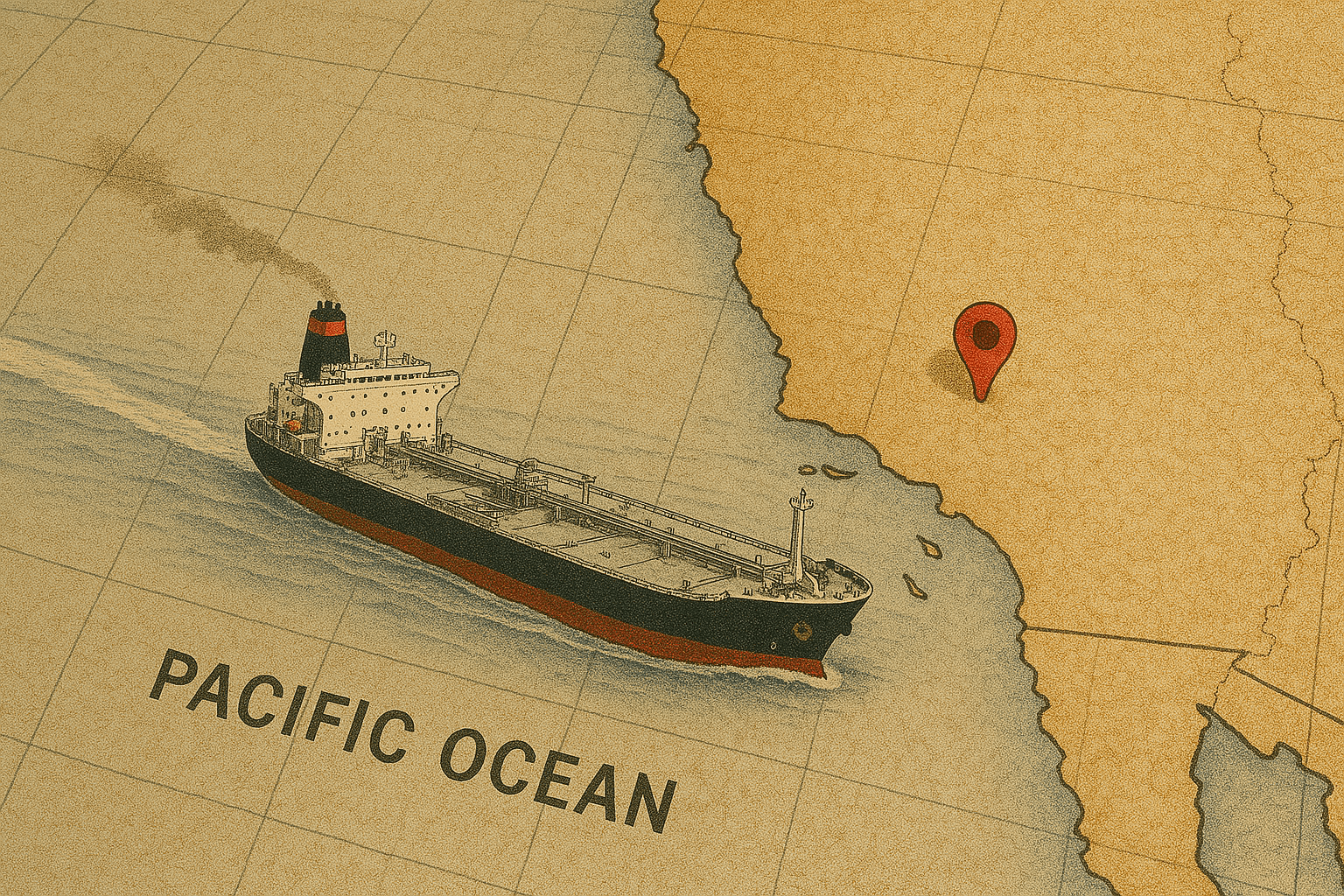
As per Cal. Code Regs. Tit. 2, § 2297 the master, owner, operator, or person in charge of a vessel shall maintain on board the vessel all the following documentation to demonstrate the proper functionality of the vessel's ballast water treatment system: (a) Printed or electronic records of applicable functionality monitoring, including calibration records, shall be kept on board the vessel for a minimum of twoContinue reading "BWMS Recordkeeping – California Ports"
MEPC 83 Summary
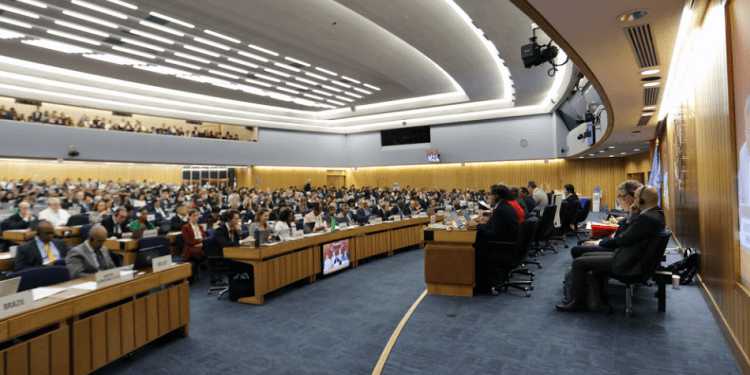
Significant outcomes from MEPC 83: Below is a brief overview of some of the significant outcomes from MEPC 83: Approval of Mid-term GHG reduction measures as amendments to MARPOL Annex VI, expected to be adopted at the Extraordinary Session of MEPC in October 2025 for entry into force 1 March 2027. Completion of Phase 1 ofContinue reading "MEPC 83 Summary"
 Saron Marine Environmental Services